Writing

Welcome to my corner of the internet, where I share a collection of thoughts, notes, and the things that spark my curiosity. From personal reflections to intriguing ideas, this space is a mix of the things I find interesting and inspiring.

[W/C 20th Jan] This week in social media: It’s giving ‘New Year, new chaos,’ but hey, who doesn’t love a plot twist?

What a week it’s been, and it’s TUESDAY. All the emails have found us, and every decision for the next 12 months needs to be made yesterday, based on tomorrow’s news… From TikTok’s great escape to Instagram reshuffling your grid, here’s everything you need to know to stay ahead of the game. 1. TikTok is back… sort of. What happened?TikTok survived a 20-hour U.S. ban, thanks to Trump’s assurances. While most users can access the app again, new downloads are still blocked, leaving it in a legal grey area. 👉 Action for marketers: Keep your TikTok strategy adaptable. Have alternative platforms like Instagram Reels and YouTube Shorts ready to fill the gap if things take another turn. 2. Instagram’s grid gets vertical. What happened?Your Instagram profile grid now features vertically aligned thumbnails, which is perfect for Reels but less so for those with carefully curated grid layouts. 👉 Action for marketers: Review your grid’s aesthetic. Prioritize vertical content and experiment with new layouts to make the most of this update. 3. Instagram’s “Edits” app is coming. What happened?Instagram is introducing “Edits,” a CapCut-inspired video editing app with advanced features like clip-level editing, HDR recording, and trending audio recommendations. 👉 Action for marketers: Pre-order the app (launching in March) and explore its tools to elevate your Reels game. Pro tip: No watermarks mean seamless repurposing across platforms. 4. LinkedIn sharpens its targeting tools. What happened?LinkedIn’s new campaign spotlights its ad targeting capabilities, showcasing how to reach the right audience while avoiding wasted spend. 👉 Action for marketers: Double down on LinkedIn Ads for B2B campaigns. With filters for roles, industries, and more, it’s a game-changer for precision targeting. Keep experimenting, and if you see your marketing and social team weeping in the corner, get them a Spanish Latte. A strong one. ☕

Burj Khalifa

One Year in Dubai: 4 Lessons in Work Culture

Today marks one year since I started working in Dubai. While it’s flown by, it feels like I’ve gained 5 years of insight just by immersing myself in the experience. If you’re thinking of making the move, here are four key lessons I’ve learned that bring some reality to the fantasy of Dubai’s work culture: 1️⃣ Always get it in writing.Dubai’s fast-paced environment often comes with big promises from clients, agencies, and everyone in between—but delivery can be a different story. Always ensure agreements are documented to avoid surprises. 2️⃣ Work-life balance? Set boundaries, but…Expect WhatsApps from clients at any hour. Setting boundaries is essential, but be prepared for them to be tested. It’s part of the hustle here. 3️⃣ Traffic will test your patience.Where you live plays a huge role in your daily mindset. Long commutes can turn your day into a grind. Always check the traffic situation (hello, Google Maps and Waze!) before choosing your home. Your sanity will thank you. 4️⃣ Embrace and adapt to culture.Dubai is a melting pot of cultures, and adapting to these dynamics is key. This might mean swapping after-work drinks for business lunches—or nothing at all. Take time to understand the people around you, and you’ll thrive both personally and professionally.

Niantic’s AI Revolution: How User Data is Shaping the Future of Augmented Reality

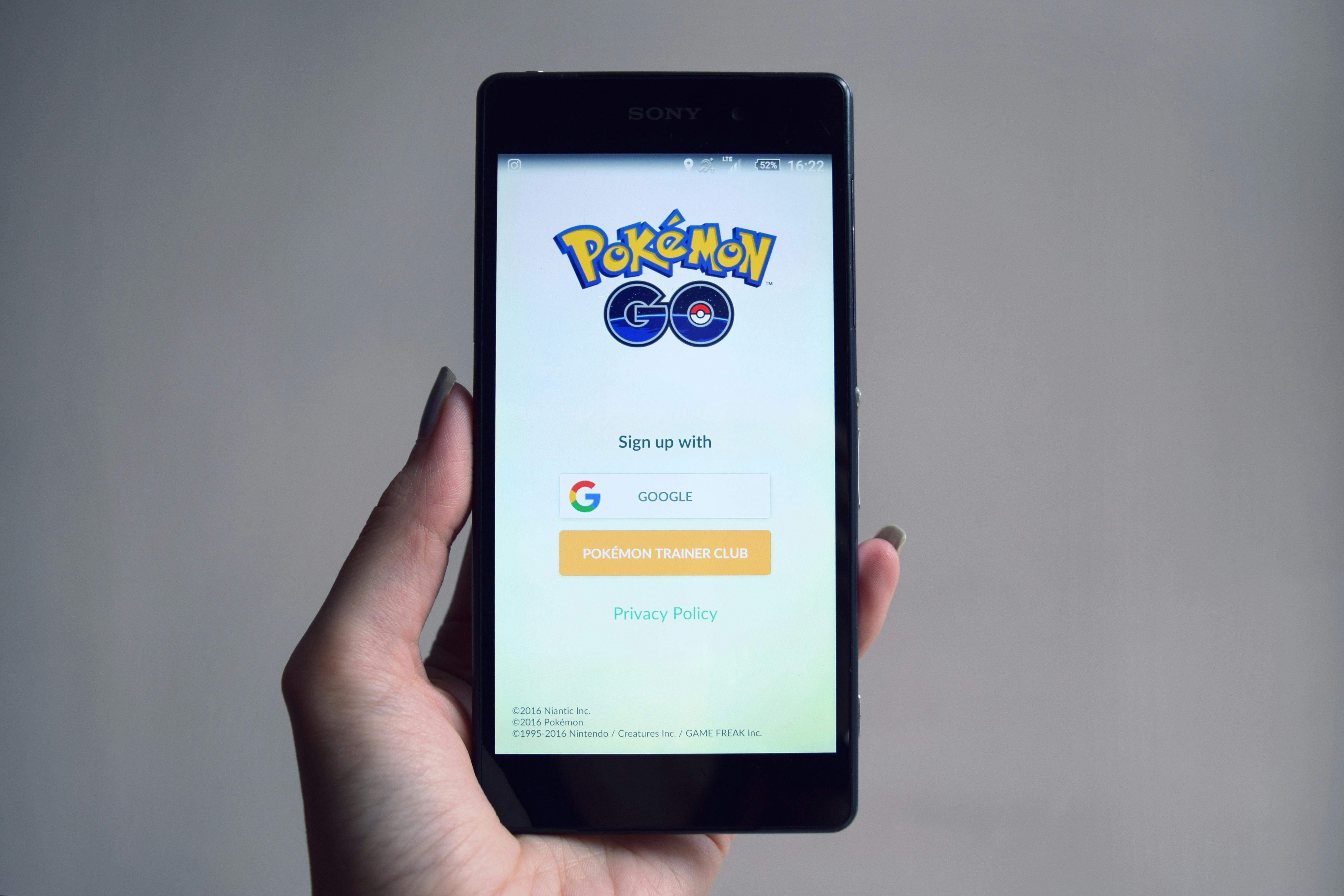
Interesting news this morning that Niantic, (remember Pokémon Go?), is leveraging user-generated data to develop a Large Geospatial Model (LGM). It’s basically an AI model aimed at enhancing computers’ understanding and interaction with physical spaces, potentially revolutionizing augmented reality (AR) apps. What they’ve done: 🔷 Data Utilization: Niantic is using images and videos submitted by users to build its Visual Positioning System (VPS), which forms the foundation of the LGM. 🔷 AI Development: The LGM is designed to enable devices to perceive and interact with real-world environments, advancing AR technologies and applications. 🔷 Privacy Considerations: While Niantic’s privacy policy outlines data-sharing practices, it lacks specific details on the internal use of location data for AI development. As Niantic transforms user data into advanced geospatial AI, what does this mean for social interactions and marketing strategies? 💡 Enhanced AR Experiences 🔸 Recommendation: Brands should explore partnerships with AR platforms to create immersive experiences that engage users in real-world settings. 💡 Data Privacy and Transparency 🔸 Recommendation: Companies must prioritize transparent data practices, clearly communicating how user data is collected and utilized to build trust and comply with regulations. 💡 Personalized Marketing Opportunities 🔸 Recommendation: Leverage geospatial data to deliver targeted marketing campaigns that resonate with users based on their real-world behaviours and preferences. As technology evolves, the integration of user data into AI models presents interesting opportunities. But it raises the question—can your clients or brands adapt to these changes to create more engaging and personalized experiences for their audiences?

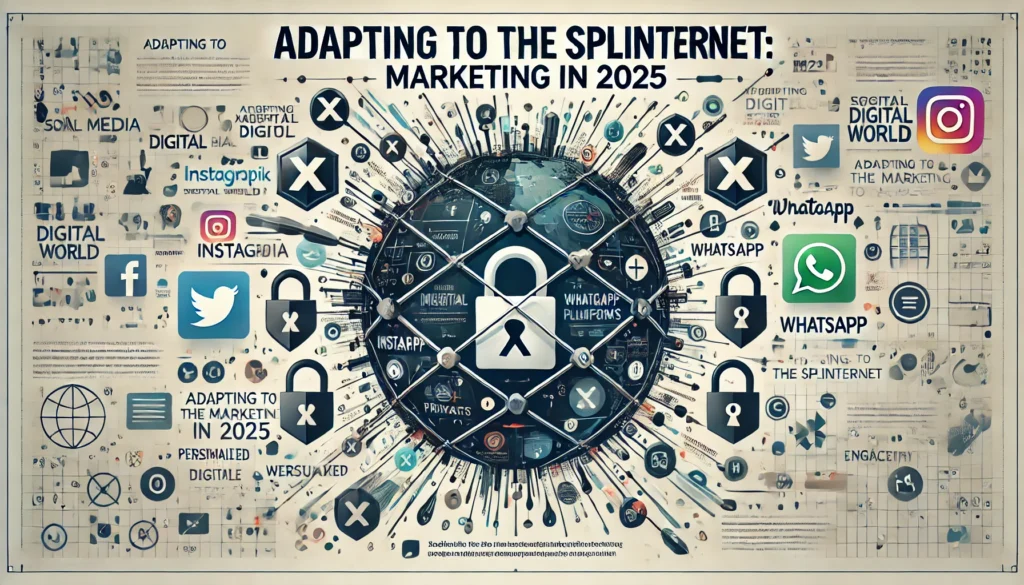
The ‘Splinternet’: What it Means for Your Marketing Strategy in 2025

📉 There’s been a multitude of individuals and brands leaving X (formerly Twitter), but I think it’s a symptom of a wider shift in how we use the internet, and it could reshape the future of marketing as we know it. As users leave ultra-connected platforms for more focused, private spaces, we’re witnessing: 🔹 The Rise of Fragmentation: The idea of a “universal digital town square” is fading. Platforms are divided by political views, age groups, and interests. As the US election has shown recently, liberals and conservatives flock to separate platforms, and young people favour closed communities over global free-for-alls. 🔹 Privacy is Back in Style: Gone are the days of oversharing. Today’s audiences prefer intimate, curated online spaces like WhatsApp groups, Instagram Stories, or niche platforms. 🔹 New Rules of Engagement: The majority of users are becoming passive consumers. Most content is now created by professional influencers, leaving brands to rethink how they engage meaningfully with audiences. So, what does this mean for marketing? 💡 Smaller, More Targeted Campaigns🔸 Recommendation: Map out your audience’s preferred platforms and behaviours. Build tailored campaigns for smaller, niche spaces like community-specific forums, closed social groups, or hyper-local platforms. 💡 Value Over Virality🔸 Recommendation: Focus on creating authentic, high-quality content that solves real problems or entertains meaningfully. Avoid the temptation to chase trends that don’t align with your brand’s core message. 💡 Adapting to the ‘Splinternet’🔸 Recommendation: Invest in localised strategies that reflect the cultural and political nuances of specific regions. Use analytics to measure impact across fragmented platforms and iterate quickly based on audience feedback. The days of one-size-fits-all, global campaigns are over. In this new era, personalization and meaningful connections will be the key to thriving.

Iconic Burj Al Arab overlooking the pristine Dubai beach, perfect for travel and leisure.

4 Key Social Media Trends You Need to Know in the UAE for 2025

Social in the UAE is like Dubai Mall on a weekend—busy, fast-paced, and someone always popping out to offer you an aftershave you didn’t know you needed. If you’re not keeping up, you’re getting left behind. Based on these 2025 social media predictions, here are four things you need to know to thrive in the UAE market—and what you can do about them. 1️⃣ Short-Form Video is Everything From TikTok trends to Instagram Reels, video content rules the feed. Attention spans are shrinking faster than the time it takes to go viral, so keep it engaging and quick. Action: Create 15-30 second videos with a strong hook in the first 3 seconds. Show, don’t tell, and for the love of karak chai, make it vertical! 2️⃣ The Rise of Niche Communities It’s not just about being everywhere anymore; it’s about being in the right places. UAE audiences are gravitating towards platforms and groups that feel more personal and targeted. Action: Identify and engage with niche audiences relevant to your brand. Whether it’s a fitness group or an expat ‘are we dating the same man?’ forum, go where your audience hangs out and contribute meaningfully. 3️⃣ AI-Powered Creativity is Here AI tools are becoming a big part of how brands create, manage, and analyse content. From auto-generated captions to predictive analytics, it’s no longer optional, it’s essential. Action: Start experimenting with AI tools to streamline your content creation. But remember: let AI enhance your creativity, not replace your humanity. (Nobody likes a bot pretending to be human). 4️⃣ Authenticity is Still Key No, you can’t fool people with overly polished, corporate jargon-filled posts anymore. Audiences here want to see the real you, especially in the UAE. Action: Humanize your brand. Show behind-the-scenes moments, celebrate your team, and don’t be afraid to have a little fun in your content. The UAE market is dynamic, diverse, and demanding, but if you stay ahead of the trends and focus on what matters, you’ll keep your audience engaged and your brand growing. Let’s hear your thoughts: which of these trends do you think will dominate in 2025? 🔗 Source: Social Media Today  

Scroll to Top